Fatty Acid Synthase Inhibitors
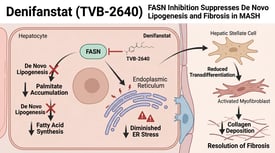
Fatty Acid Synthase (FASN) is a complex, multi-functional homodimeric enzyme responsible for the de novo synthesis of long-chain fatty acids, primarily palmitate, from acetyl-CoA and malonyl-CoA in the presence of NADPH. In most normal human tissues, FASN expression is maintained at low levels because cells preferentially utilize dietary fatty acids. However, FASN is significantly overexpressed and hyperactivated in a wide variety of human cancers, including breast, prostate, colon, and ovarian cancers, as well as in metabolic conditions like non-alcoholic steatohepatitis (NASH). In oncology, this "lipogenic phenotype" provides the necessary building blocks for membrane synthesis, energy production via β-oxidation, and lipid-based signaling molecules required for rapid tumor cell proliferation and survival. Consequently, FASN has emerged as a compelling therapeutic target at the intersection of oncology and metabolism. The signaling pathways associated with FASN are intricate.
Its expression is often regulated by the PI3K/Akt/mTOR pathway and the Sterol Regulatory Element-Binding Protein-1c (SREBP-1c). Inhibition of FASN leads to the accumulation of malonyl-CoA, which in turn inhibits carnitine palmitoyltransferase-1 (CPT-1), thereby suppressing fatty acid oxidation and inducing cellular stress and apoptosis. FASN inhibitors can be broadly classified into several generations based on their chemical structure and pharmacological properties. The first generation included natural products like cerulenin and the synthetic derivative C75. While effective in preclinical models, these compounds were limited by significant side effects, particularly profound weight loss and anorexia caused by their interaction with the central nervous system's appetite-regulating pathways. The second generation, exemplified by the weight-loss drug orlistat, showed some FASN inhibitory activity but suffered from poor bioavailability and lack of selectivity.
Current research progress has led to the development of third-generation FASN inhibitors, which are more potent and selective with improved pharmacokinetic profiles. The most notable among these is TVB-2640 (denifanstat), an orally bioavailable, reversible inhibitor that has reached clinical trials. In phase II studies for NASH, TVB-2640 demonstrated a significant reduction in liver fat content and improvements in inflammatory markers. In oncology, it is being evaluated both as a monotherapy and in combination with other agents, such as taxanes or endocrine therapies, to overcome resistance. One of the primary challenges in FASN inhibition is the potential for systemic toxicity, although newer compounds appear to be better tolerated. Additionally, the metabolic plasticity of cancer cells, which may switch to exogenous lipid uptake when de novo synthesis is blocked, suggests that combination strategies targeting both synthesis and uptake might be necessary for optimal efficacy.
As the field moves forward, FASN inhibitors represent a promising approach for treating diseases characterized by dysregulated lipid metabolism, offering a unique mechanism to disrupt the metabolic foundations of disease progression.