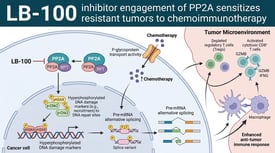
PP2A Inhibitors
Protein phosphatase 2A (PP2A) is a heterotrimeric serine/threonine phosphatase, a major player in cellular signaling, and a critical regulator of diverse cellular processes including cell cycle progression, apoptosis, signal transduction, and metabolism. It functions by dephosphorylating a vast array of substrates, thereby counteracting the action of protein kinases. The catalytic subunit (C), structural subunit (A), and regulatory subunit (B) assemble into holoenzymes, with the regulatory B subunit dictating substrate specificity and subcellular localization. Dysregulation of PP2A activity, often through aberrant phosphorylation of its catalytic subunit or altered expression of its regulatory subunits, is implicated in a multitude of diseases, most notably cancer, neurodegenerative disorders like Alzheimer's disease, and viral infections. In cancer, PP2A can act as both a tumor suppressor and a tumor promoter, depending on the cellular context and specific substrates affected.
Its tumor suppressive roles often involve dephosphorylating key oncogenic proteins such as MYC, AKT, and beta-catenin, thereby inhibiting cell proliferation and survival. Conversely, in some contexts, PP2A can promote tumorigenesis by dephosphorylating tumor suppressor proteins or stabilizing oncoproteins. The development of PP2A inhibitors has been a significant area of research, particularly for conditions where PP2A hyperactivity contributes to disease pathogenesis. Several classes of PP2A inhibitors exist, including small molecule inhibitors that directly bind to the catalytic or regulatory subunits, and natural products like okadaic acid and its derivatives, which are potent but lack specificity and are primarily used as research tools. More selective inhibitors are under development.
For instance, compounds targeting the PP2A/SET complex, a known endogenous inhibitor of PP2A, are being explored. Clinical progress for PP2A inhibitors is still in its nascent stages, with most agents in preclinical development or early-phase clinical trials, primarily for hematological malignancies and solid tumors. Challenges in developing PP2A inhibitors include achieving isoform selectivity, as PP2A is composed of multiple isoforms with distinct functions, and managing potential toxicities arising from the broad cellular roles of PP2A. Resistance mechanisms, such as upregulation of endogenous PP2A inhibitors or mutations in PP2A subunits, also pose significant hurdles. Future strategies may involve developing highly selective inhibitors or employing combination therapies to enhance efficacy and mitigate resistance, potentially targeting specific PP2A holoenzymes implicated in particular disease pathways.