Bcr-Abl Inhibitors
The Bcr-Abl oncoprotein is the molecular hallmark of Chronic Myeloid Leukemia (CML) and a subset of Acute Lymphoblastic Leukemia (ALL). It results from the reciprocal translocation between chromosomes 9 and 22, known as the Philadelphia chromosome (Ph), which fuses the Breakpoint Cluster Region (BCR) gene with the Abelson murine leukemia viral oncogene (ABL1). This fusion creates a constitutively active cytoplasmic tyrosine kinase that bypasses normal regulatory mechanisms. Bcr-Abl activates a plethora of downstream signaling networks, including the JAK/STAT5, PI3K/Akt, and Ras/MAPK pathways. These signals drive excessive proliferation, inhibit apoptosis, and alter cell adhesion to the bone marrow stroma, leading to the massive expansion of myeloid cells. The discovery and successful targeting of Bcr-Abl with small-molecule inhibitors represent one of the greatest triumphs of modern precision medicine, transforming CML from a fatal disease into a manageable chronic condition. Bcr-Abl inhibitors are categorized into three generations based on their development history and ability to overcome resistance.
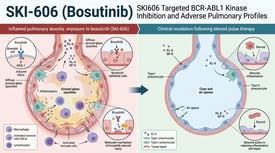
The first-generation inhibitor, imatinib, revolutionized CML therapy by specifically binding to the ATP-binding site in the inactive conformation of the Abl kinase. However, resistance emerged, primarily through point mutations in the kinase domain that interfere with drug binding. This led to the second-generation inhibitors, such as nilotinib, dasatinib, and bosutinib. Nilotinib is a more potent derivative of imatinib, while dasatinib is a dual Src/Abl inhibitor that can bind both active and inactive conformations. Bosutinib is another dual Src/Abl inhibitor with a distinct toxicity profile. Despite their potency, these drugs are ineffective against the T315I gatekeeper mutation. This clinical gap was filled by the third-generation inhibitor, ponatinib, which was specifically engineered with an ethynyl linkage to accommodate the bulky isoleucine residue at position 315.
A recent breakthrough in the field is the development of asciminib, the first STAMP (Specifically Targeting the ABL Myristoyl Pocket) inhibitor. Unlike previous generations that are ATP-competitive, asciminib binds to the myristoyl site of the Abl kinase, inducing an inactive conformation through an allosteric mechanism. This unique mode of action allows for high selectivity and the potential to overcome resistance to ATP-competitive inhibitors. Current research is exploring the use of asciminib in combination with earlier-generation TKIs to achieve deeper molecular responses and increase the likelihood of treatment-free remission (TFR). Challenges remain, including the management of long-term cardiovascular toxicities associated with some TKIs and the persistence of leukemic stem cells that are often independent of Bcr-Abl signaling. Future directions involve refining TFR protocols and developing strategies to eradicate the residual disease reservoir. This includes investigating the role of the bone marrow microenvironment in protecting leukemic cells from TKI-induced apoptosis and identifying novel targets that can synergize with Bcr-Abl inhibition to achieve a functional cure for all patients.