NLRP3 Inhibitors
The NLRP3 (NOD-, LRR-, and pyrin domain-containing protein 3) inflammasome is a multi-protein complex that plays a central role in the innate immune system. It is activated by a wide variety of stimuli, including pathogen-associated molecular patterns (PAMPs) and danger-associated molecular patterns (DAMPs) such as ATP, uric acid crystals, and amyloid-beta fibrils. Upon activation, NLRP3 recruits the adapter protein ASC and pro-caspase-1, leading to the assembly of the inflammasome. This results in the activation of caspase-1, which then processes the pro-inflammatory cytokines IL-1β and IL-18 into their active forms and triggers pyroptosis, a form of programmed inflammatory cell death, through the cleavage of gasdermin D. Dysregulation of the NLRP3 inflammasome is implicated in a vast array of inflammatory and autoimmune diseases, including gout, Type 2 diabetes, atherosclerosis, Alzheimer's disease, non-alcoholic steatohepatitis (NASH), and cryopyrin-associated periodic syndromes (CAPS).
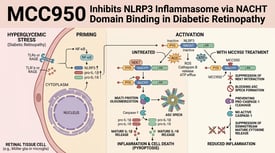
Consequently, NLRP3 has become one of the most highly sought-after targets in the pharmaceutical industry. Current research progress is robust, with several small-molecule inhibitors in various stages of clinical development. MCC950 is perhaps the most well-known selective NLRP3 inhibitor used in preclinical research; it binds directly to the NACHT domain of NLRP3 and inhibits its ATPase activity. While MCC950 itself did not proceed to the clinic due to liver toxicity, it paved the way for next-generation inhibitors. Dapansutrile (OLT1177) is a selective NLRP3 inhibitor that has shown positive results in Phase II trials for gout and heart failure.
Other notable inhibitors in development include Inzomelid, Somalix, and various compounds from companies like Inflazome (acquired by Roche) and NodThera. NLRP3 inhibitors can be classified into direct binders (which target the NLRP3 protein itself) and indirect inhibitors (which target upstream signaling events like K+ efflux or NEK7 interaction). A major challenge in the field is the complexity of NLRP3 activation, which involves multiple priming and activation steps, and the potential for species-specific differences in inflammasome biology. Furthermore, because NLRP3 is a key component of the immune response, long-term inhibition may carry a risk of increased susceptibility to certain infections. However, the potential to treat chronic inflammatory diseases by targeting the 'root cause' of cytokine production rather than just the cytokines themselves (like IL-1β blockers) is a significant driver of interest.
Future research will likely focus on the development of CNS-penetrant inhibitors for neurodegenerative diseases and the identification of biomarkers to monitor inflammasome activity in patients.