PGES Inhibitors
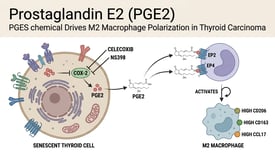
Prostaglandin E synthases (PGES) are a family of enzymes responsible for the terminal step in the biosynthesis of prostaglandin E2 (PGE2), converting prostaglandin H2 (PGH2) into this potent lipid mediator. Three main isoforms have been identified: microsomal PGES-1 (mPGES-1), mPGES-2, and cytosolic PGES (cPGES). Among these, mPGES-1 is of particular therapeutic interest due to its inducible nature and frequent co-expression with cyclooxygenase-2 (COX-2) in inflammatory settings. PGE2 plays a multifaceted role in human physiology, acting as a key mediator of inflammation, pain, fever, and immune modulation, while also being involved in various physiological processes such as gastroprotection, renal function, and reproductive biology. The selective inhibition of mPGES-1 aims to reduce pathological PGE2 production without broadly affecting other prostanoids, a limitation of traditional COX inhibitors. Dysregulated PGE2 production, often driven by mPGES-1 upregulation, is implicated in a wide array of diseases. Chronic inflammatory conditions such as rheumatoid arthritis, osteoarthritis, and inflammatory bowel disease are characterized by elevated PGE2 levels, contributing to pain, swelling, and tissue damage. PGE2 also plays a significant role in various types of pain, including neuropathic and cancer-related pain.
In oncology, mPGES-1 is frequently overexpressed in many cancers, promoting tumor growth, angiogenesis, metastasis, and immune evasion. Furthermore, PGE2 has been linked to cardiovascular diseases and neurodegenerative disorders, suggesting its broad involvement in pathological processes. Targeting mPGES-1 offers a strategy to selectively modulate PGE2 levels, potentially providing therapeutic benefits with a more favorable side effect profile compared to non-selective anti-inflammatory drugs. Research into mPGES-1 inhibitors has advanced through preclinical and into clinical stages. The strategy of inhibiting mPGES-1 is attractive because it aims to reduce PGE2 production downstream of COX-2, thereby avoiding the inhibition of other beneficial prostanoids (e.g., prostacyclin, PGI2) that are also products of COX enzymes. Several mPGES-1 inhibitors, including AMG 102, MK-0352, and CEB-021, have entered clinical trials for pain and inflammation. However, none have yet received regulatory approval, facing challenges related to efficacy and, importantly, safety concerns, particularly cardiovascular risks reminiscent of those associated with selective COX-2 inhibitors. Preclinical research continues to focus on developing novel mPGES-1 inhibitors with improved selectivity, potency, and safety profiles.
Inhibitors are typically classified by their mechanism (e.g., competitive inhibitors targeting the active site or allosteric modulators) and their selectivity for mPGES-1 over other PGES isoforms. Diverse chemical structures, including indoles, pyrazoles, and sulfonamides, have been explored. Key challenges in the development of mPGES-1 inhibitors include achieving high selectivity for mPGES-1 over mPGES-2 and cPGES, as these isoforms have distinct physiological roles. Replicating the robust efficacy of NSAIDs while significantly improving the safety profile, especially regarding cardiovascular and gastrointestinal side effects, remains a critical hurdle. MK-0352 and AMG 102 serve as important research tool compounds. Combination therapy strategies are being considered, where mPGES-1 inhibitors could be combined with other analgesics or anti-inflammatory drugs to enhance pain relief or with targeted cancer therapies to improve anti-tumor efficacy. Monitoring plasma or urinary PGE2 metabolites, such as PGE-M, can serve as a valuable pharmacodynamic biomarker to assess target engagement and therapeutic response. The ongoing pursuit of safe and effective mPGES-1 inhibitors holds significant promise for providing a new class of anti-inflammatory and analgesic agents with potentially fewer side effects than current options.