Hydroxylase Inhibitors
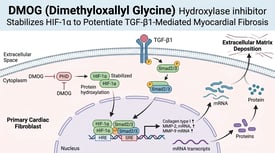
Hydroxylase inhibitors target a diverse class of enzymes responsible for introducing hydroxyl groups into organic substrates, playing critical roles across numerous biological pathways. These enzymes are involved in steroid hormone synthesis, neurotransmitter metabolism, drug detoxification, and post-translational modification of proteins, among other functions. The specific mechanism of action for an inhibitor depends on the targeted Hydroxylase, but generally involves blocking the enzyme's catalytic site, thereby preventing the hydroxylation reaction and modulating the downstream products or signaling cascades. For instance, aromatase (CYP19A1) is a cytochrome P450 enzyme that hydroxylates androgens, converting them into estrogens. Inhibitors of aromatase block this conversion, reducing systemic estrogen levels. Prolyl hydroxylases (PHDs) are iron- and α-ketoglutarate-dependent dioxygenases that hydroxylate specific proline residues on hypoxia-indinducible factor (HIF) subunits, marking them for proteasomal degradation. PHD inhibitors stabilize HIF-1α, promoting erythropoietin production. Diseases associated with hydroxylase targets are varied and significant.
Aromatase inhibitors are a cornerstone in the treatment of hormone-sensitive breast cancer by depriving estrogen-dependent tumors of growth stimulation. HIF-PHD inhibitors are a newer class of drugs approved for anemia of chronic kidney disease, by mimicking hypoxia and stimulating red blood cell production. Other hydroxylase inhibitors address endocrine disorders: steroid 11β-hydroxylase inhibitors like metyrapone reduce cortisol synthesis in Cushing's syndrome, while tyrosine hydroxylase inhibitors such as metyrosine are used for pheochromocytoma to decrease catecholamine production. Research is also exploring hydroxylase inhibitors in fibrotic diseases, where prolyl hydroxylases are involved in collagen maturation, and in neurodegenerative conditions. Current research progress has led to several approved drugs. For breast cancer, non-steroidal aromatase inhibitors like anastrozole and letrozole, and the steroidal inhibitor exemestane, are widely used. For anemia, HIF-PHD inhibitors such as roxadustat, daprodustat, and vadadustat have recently gained approval. Metyrapone and metyrosine are established treatments for their respective endocrine indications.
Clinical trials are ongoing for novel hydroxylase inhibitors with improved selectivity and efficacy, including next-generation aromatase inhibitors and more targeted HIF-PHD inhibitors. Preclinical research is expanding to explore new hydroxylase targets in cancer metabolism, epigenetics (e.g., histone demethylases, which are functionally similar dioxygenases), and neuroinflammation. Classification of these inhibitors is primarily by their specific enzyme target (e.g., aromatase inhibitors, HIF-PHD inhibitors) and their mechanism (e.g., competitive, non-competitive, suicide inhibitors). A major challenge in developing hydroxylase inhibitors is achieving high specificity, as many hydroxylases share structural homology, leading to potential off-target effects and toxicity. For example, aromatase inhibitors can cause bone loss and arthralgia, while HIF-PHD inhibitors have raised concerns regarding cardiovascular safety and potential for tumor progression. Many hydroxylases require specific cofactors (e.g., iron, α-ketoglutarate, ascorbate, NADPH), which can be exploited in drug design. Combination therapy is common, such as combining aromatase inhibitors with CDK4/6 inhibitors in breast cancer. Research tools include recombinant enzymes, mass spectrometry for product analysis, and genetic knockout models to elucidate specific hydroxylase functions.