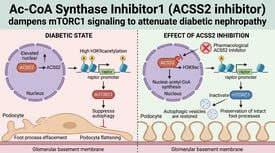
ACSS2 Inhibitors
Acyl-CoA Synthetase Short-Chain Family Member 2 (ACSS2) is an enzyme that plays a critical role in cellular metabolism by catalyzing the ATP-dependent ligation of acetate with coenzyme A (CoA) to form acetyl-CoA. This reaction is essential for the utilization of acetate as a carbon source. The acetyl-CoA produced by ACSS2 is a versatile metabolic intermediate; it can be channeled into the tricarboxylic acid (TCA) cycle for energy production via oxidative phosphorylation, or it can serve as a crucial building block for de novo lipid synthesis. Furthermore, ACSS2-derived acetyl-CoA is a direct substrate for histone acetyltransferases (HATs), thereby linking cellular metabolism directly to epigenetic regulation and gene expression. ACSS2 activity is particularly important under conditions of metabolic stress, such as hypoxia, nutrient deprivation (e.g., low glucose), or when fatty acid oxidation is limited, allowing cells to adapt and survive by utilizing alternative carbon sources. Dysregulation of ACSS2 and acetate metabolism is strongly implicated in various diseases, most notably cancer. Many cancer cells exhibit significant metabolic reprogramming, and under conditions of nutrient scarcity or hypoxia, they often upregulate ACSS2 to utilize acetate as an alternative carbon source.
This acetate utilization is crucial for supporting tumor growth, proliferation, and metastasis in a wide range of cancers, including prostate, breast, lung, liver, and glioblastoma. The acetyl-CoA generated by ACSS2 not only fuels energy production but also contributes to histone acetylation, influencing gene expression patterns that promote cancer cell adaptation and survival. While primarily studied in cancer, ACSS2's role in acetate metabolism suggests potential implications in metabolic disorders and neurological diseases, as acetate is an important energy substrate for the brain, though its direct inhibition as a therapeutic strategy in these contexts is less established. Research into ACSS2 inhibitors is currently in the preclinical stage, with no approved drugs or agents in clinical trials specifically targeting ACSS2. However, ACSS2 is emerging as a promising anti-cancer target, particularly for tumors that exhibit a high reliance on acetate metabolism or thrive under hypoxic conditions. Several small molecule inhibitors have been identified and characterized, serving primarily as research tools to validate ACSS2 as a therapeutic target in various *in vitro* and *in vivo* cancer models. Examples include ACSS2-IN-1, ACSS2-IN-2, and 5-hydroxy-2-methyl-1,4-naphthoquinone.
These compounds have demonstrated the ability to suppress tumor growth and metastasis by disrupting acetate utilization, reducing lipid synthesis, and altering histone acetylation patterns in cancer cells. The focus of current research is on developing more potent, selective, and bioavailable inhibitors with favorable pharmacokinetic profiles. ACSS2 inhibitors can be classified based on their mechanism of action, such as ATP-competitive inhibitors (targeting the ATP binding site) or acetate-competitive inhibitors (mimicking acetate). Most identified compounds are small molecules. Key challenges in their development include achieving selectivity for ACSS2 over other acyl-CoA synthetases (e.g., ACSS1), which could lead to off-target effects and systemic metabolic side effects given ACSS2's role in normal physiology. Identifying reliable biomarkers to predict which tumors will respond to ACSS2 inhibition (e.g., tumors with high acetate uptake, hypoxic signatures, or specific genetic alterations) is also crucial. Combination therapy is a significant strategy, where ACSS2 inhibitors could be combined with glycolysis inhibitors, fatty acid oxidation inhibitors, or conventional chemotherapy to induce synergistic metabolic stress and enhance anti-tumor efficacy.
The direct link between ACSS2 activity, metabolism, and epigenetic regulation through acetyl-CoA production offers a unique and compelling therapeutic angle for cancer intervention.