OGA Inhibitors
O-GlcNAcase (OGA) is the enzyme responsible for the hydrolytic removal of O-linked β-N-acetylglucosamine (O-GlcNAc) modifications from serine and threonine residues of nucleocytoplasmic proteins. This dynamic post-translational modification, known as O-GlcNAcylation, is regulated by the opposing actions of OGA and O-GlcNAc transferase (OGT). The O-GlcNAc cycle serves as a nutrient sensor, as the donor substrate for OGT, UDP-GlcNAc, is derived from the hexosamine biosynthetic pathway, which integrates glucose, amino acid, fatty acid, and nucleotide metabolism. Dysregulation of O-GlcNAc levels is linked to several chronic conditions, including neurodegenerative diseases, type 2 diabetes, and cancer. In the central nervous system, O-GlcNAcylation of the microtubule-associated protein tau is inversely correlated with its phosphorylation. High levels of O-GlcNAc can inhibit the formation of neurofibrillary tangles, a hallmark of Alzheimer’s disease and other tauopathies.
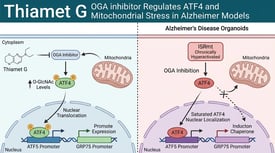
Therefore, OGA inhibitors are being vigorously pursued as a therapeutic strategy to maintain high O-GlcNAc levels on tau, thereby slowing disease progression. OGA inhibitors are primarily classified into several structural groups, including carbohydrate-based mimics and non-carbohydrate small molecules. Early tool compounds like Thiamet-G and PUGNAc provided essential insights into OGA function but suffered from poor pharmacokinetics or lack of selectivity over lysosomal hexosaminidases. Modern OGA inhibitors, such as ASN120290 (formerly ANAVEX 3-71) and MK-8719, have been designed with improved blood-brain barrier permeability and high specificity. Several of these candidates have entered clinical trials. For instance, ASN120290 has been granted Orphan Drug Designation by the FDA for the treatment of progressive supranuclear palsy (PSP), a rare tauopathy.
Clinical research is currently focused on evaluating the safety, target engagement (often measured via PET imaging of OGA occupancy), and efficacy of these molecules in reducing pathological tau accumulation and cognitive decline. In addition to neurodegeneration, OGA inhibitors are being explored in the context of metabolic and cardiovascular health. While chronic hyper-O-GlcNAcylation is associated with insulin resistance, acute modulation of OGA may offer cardioprotective effects during ischemia-reperfusion injury. In oncology, the role of OGA is more complex and context-dependent, as both OGT and OGA are frequently overexpressed in various tumors to support metabolic reprogramming. The primary challenge in the field remains the potential for off-target effects, given that thousands of proteins are modified by O-GlcNAc. Long-term systemic inhibition of OGA might interfere with essential cellular processes beyond the intended target.
Consequently, current research is also investigating tissue-specific delivery and the identification of specific O-GlcNAc sites that are most relevant to disease pathology. The development of OGA inhibitors represents a sophisticated intersection of glycobiology and drug discovery, offering a novel mechanism to combat some of the most challenging age-related diseases.