NMDAR Antagonists
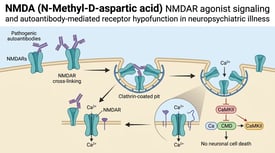
The N-methyl-D-aspartate receptor (NMDAR) is a specialized ionotropic glutamate receptor that plays a fundamental role in excitatory neurotransmission, synaptic plasticity, and memory formation within the central nervous system. Structurally, NMDARs are heterotetramers, typically composed of two GluN1 subunits and two GluN2 (A-D) or GluN3 (A-B) subunits. A unique feature of the NMDAR is its dual requirement for the binding of both glutamate and a co-agonist (glycine or D-serine), alongside the relief of a voltage-dependent magnesium (Mg2+) block. Upon activation, the receptor allows the influx of cations, particularly calcium (Ca2+), which triggers various intracellular signaling cascades essential for long-term potentiation (LTP) and long-term depression (LTD). Abnormal NMDAR activity is implicated in a broad spectrum of neurological and psychiatric disorders. Overactivation of NMDARs leads to excessive Ca2+ influx, causing excitotoxicity and neuronal death, a process central to acute conditions like stroke and traumatic brain injury, as well as chronic neurodegenerative diseases such as Alzheimer’s, Parkinson’s, and Huntington’s disease. Conversely, NMDAR hypofunction is a leading hypothesis in the pathophysiology of schizophrenia.
Furthermore, the NMDAR system is a critical target in the treatment of major depressive disorder and chronic pain. The clinical status of NMDAR antagonists varies significantly. Memantine, a low-affinity uncompetitive antagonist, is FDA-approved for the treatment of moderate-to-severe Alzheimer’s disease, providing symptomatic relief by reducing background noise signaling. Ketamine, a potent non-competitive antagonist, has gained significant attention for its rapid-acting antidepressant effects, leading to the approval of its S-enantiomer, esketamine, for treatment-resistant depression. Other antagonists, such as amantadine, are used in Parkinson’s disease. Numerous other compounds, including GluN2B-selective inhibitors, are currently in various stages of clinical trials for conditions like epilepsy and treatment-resistant depression. NMDAR antagonists are classified based on their binding site and mechanism of action.
Competitive antagonists bind to the glutamate or glycine recognition sites. Non-competitive antagonists bind to allosteric sites, while uncompetitive antagonists (or channel blockers) bind within the ion channel pore itself, often exhibiting use-dependence. Another important classification is based on subunit selectivity, with a particular focus on GluN2B-selective antagonists to minimize the psychotomimetic side effects associated with broad-spectrum NMDAR blockade. A major challenge in developing NMDAR-targeted therapies is the narrow therapeutic window; complete blockade interferes with normal cognition and can cause dissociative effects, while insufficient blockade may be ineffective. The use-dependent nature of drugs like memantine is key to their success, as they primarily block overactive receptors while sparing normal neurotransmission. Future research is focused on positive and negative allosteric modulators (PAMs and NAMs) that can fine-tune receptor activity rather than turning it off completely. Additionally, exploring the role of NMDARs in non-neuronal cells and their involvement in peripheral diseases remains an emerging area of interest.